
Planned Sex vs. Spontaneous Sex: What Really Works According to Research
A new study shows that parents with young children who intentionally plan sex—after shifting their beliefs about its benefits—have more sex overall, feel more desire, and experience less sexual obligation and distress. While many people assume spontaneous sex is more satisfying, existential sex therapy highlights that this belief is cultural, not universal. Planning sex offers agency, anticipation, and mutuality—especially in busy seasons of life. For couples overwhelmed by parenting demands, intentionally scheduling intimacy can restore connection, increase desire, and reduce pressure. As a Houston sex therapist, I encourage partners to see planned intimacy not as a failure of passion, but as a meaningful choice to prioritize their erotic relationship.

240 Clinical Sexuality Education Hours In: The Road Toward Certified Sex Therapist and PhD in Clinical Sexology
This post offers a rare personal glimpse into the long and largely unseen road behind advanced training in sex therapy. As a deeply private person, I share why completing 240 documented hours of sexuality and sex therapy education within a PhD program in clinical sexology matters, how it exceeds the typical 150-hour CST baseline and what this depth of training actually represents. I reflect on the quiet fatigue and persistence required by the process and explain why properly trained sex therapists often charge more. For those searching for a Houston sex therapist with advanced specialization, this is a transparent look at what lives beneath the title.

Fate, Sex and the Shadow: An Existential Sex Therapist’s Reflection on Jung, Stoicism and the Unconscious
This blog post, written from the perspective of an existential sex therapist, explores Carl Jung’s idea that the unconscious shapes our lives until we become aware of it — often mistaking repetitive relational and sexual patterns as "fate." By integrating Jungian psychology, existentialism and Stoicism, the post encourages readers to examine their inner world, take responsibility for their choices and approach intimacy with intention rather than compulsion. True freedom in love and sexuality begins when we make the unconscious conscious and choose awareness over autopilot.
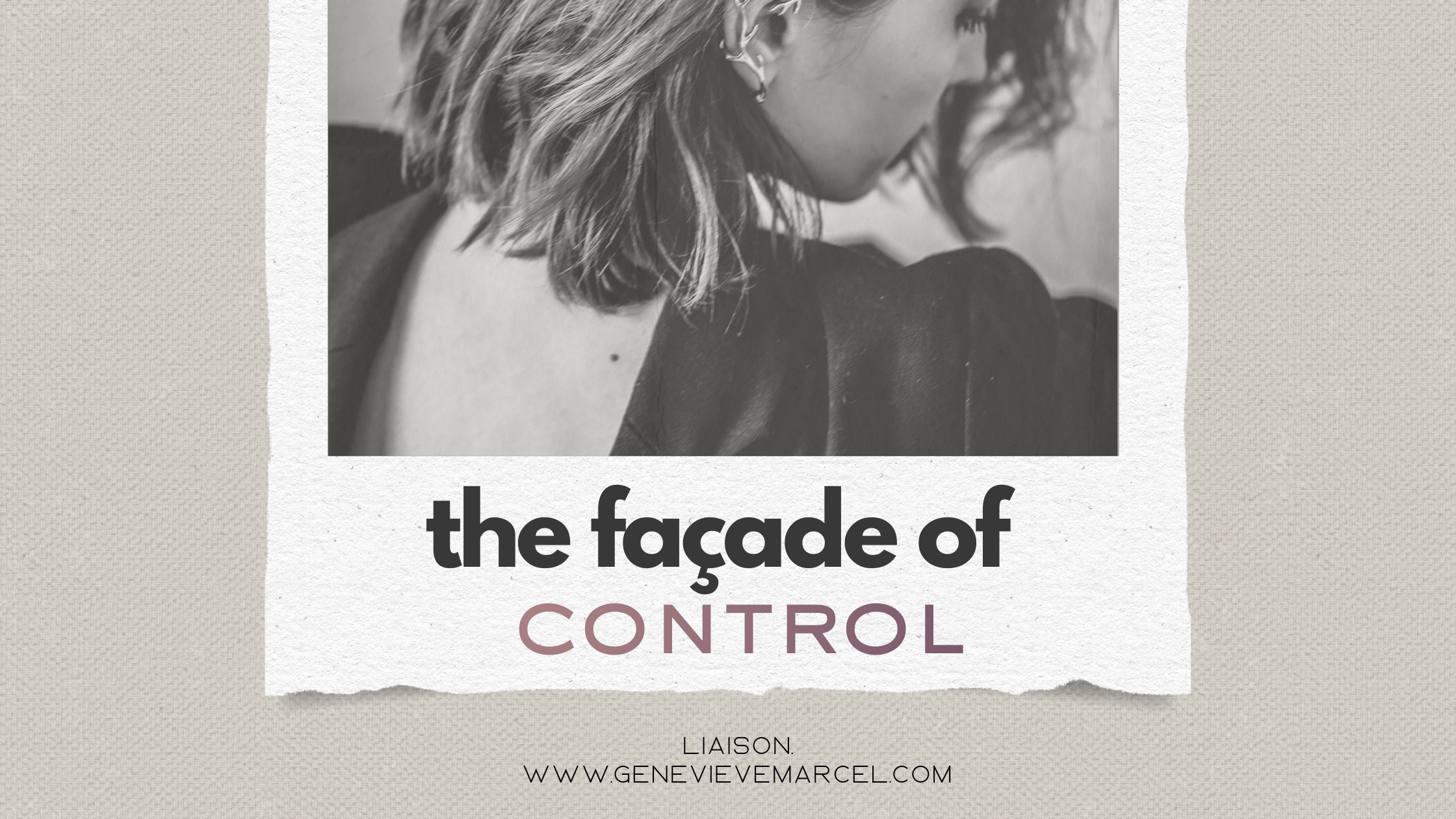
The Façade of Control: An Existential Sex Therapist's Reflection
In this post, an existential sex therapist explores how the pursuit of control—especially over sexuality—is often a response to deeper fears: rejection, vulnerability, shame, and the unpredictability of intimacy. While control may offer a sense of safety, it often numbs desire and disconnects us from ourselves and others.
Existential sex therapy sees control as a defense against life’s uncertainties. Instead of trying to "fix" or suppress sexuality, this approach invites clients to explore what control is protecting them from—and to consider the power of surrender, presence, and deeper self-understanding.
Ultimately, real freedom and connection don’t come from mastering desire, but from meeting it honestly and courageously.

Letting Yourself Be Loved: An Existential Sex Therapist’s Reflection on Vulnerability
This post explores how, in existential sex therapy, the fear of vulnerability often shapes a person’s ability to let themselves be loved. An existential sex therapist views this fear not as dysfunction but as a natural response to the risks of intimacy—rejection, loss, and the possibility of not being enough. By understanding the protective purpose of these defenses and learning to stay present with the discomfort of openness, individuals can gradually soften into deeper connection. Allowing someone to love you becomes an act of courage, rooted in authenticity, presence, and a willingness to be seen.

You Don’t Need to Know the Why to Choose Differently
In existential sex therapy, understanding why you repeat certain patterns can be helpful, but lasting change comes from recognizing the behavior and choosing differently. Drawing on insights from Rollo May and Irvin Yalom, this approach emphasizes that freedom lies in your ability to choose, not in fully resolving the past. Change begins not with perfect insight, but with present-moment responsibility.